GeneralNewsBrief
Lumicell promotes Marnie Curbow to CEO
Lumicell promotes Marnie Curbow to CEO
AuntMinnievia Google News
Lumicell promotes Marnie Curbow to CEO
NUCLIDIUM AG and NorthStar Medical have formed a long-term partnership to produce and supply copper-67, a beta-emitting radioisotope, to support NUCLIDIUM’s radiotheranostic pipeline for prostate and breast cancers.
Paradromics, Siemens collaborate on brain imaging platform
Supratentorial and infratentorial brain neoplasms
A long-axial field-of-view PET/CT system produced whole-body images in 1 minute that readers rated higher than standard-of-care scans (mean diagnostic quality score 4.5 vs 3.9 on a 5-point scale), according to data presented at EANM'26.
Open access is advancing imaging.
Deepfake medical imaging study receives Margulis Award.
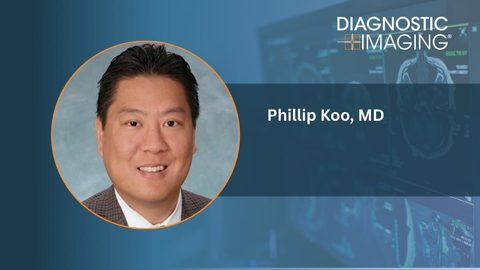
Phillip Koo, MD: Theranostics enables nuclear medicine physicians to provide longitudinal care, while AI and the Cures Act are empowering patients with early report access.
Potential improvement in breast cancer detection with a novel computer-aided detection system
MRI shows no ties between COVID and future heart inflammation.
Management of thyroid cancer
FDA cleared TumorSight Risk, the first MRI-derived AI software, which predicts 5- and 10-year breast cancer recurrence risk in HR+, HER2- stage I-IIIA patients using breast MRI, pathology, and clinical data.
How do patients respond to lung cancer screening false positives? | CHEST 2026
Splenogonadal fusion
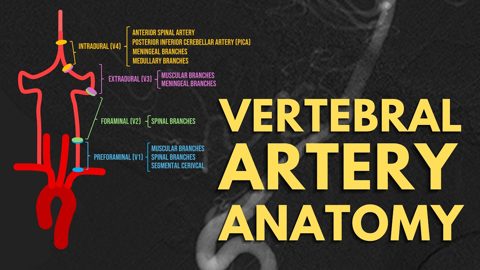
Learn the four segments (V1–V4) of the vertebral artery: origin, course through cervical transverse foramina, around the atlas, and intracranial formation of the basilar artery—key for head and neck image interpretation.
Blood Biomarkers Boost Ultrasound’s Power to Spot Ovarian Cancer Early
Nanox Imaging, holding $26M in cash versus $60M at end of 2025, says these funds are not sufficient to support operations for at least one year, raising substantial doubt about its ability to continue as a going concern.
Phantom Testing: Nuclear Medicine (Revised 10-19-2026)
Phantom Testing: PET (Revised 10-19-2026)
Educational video from CTisus (Elliot Fishman, MD) covers CT features of small bowel infections and their mimics to sharpen diagnostic interpretation.
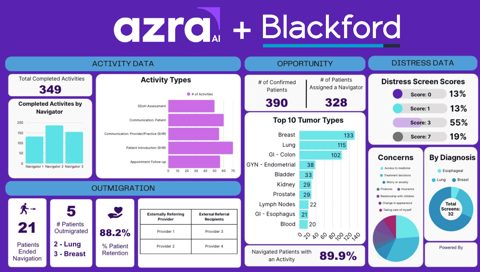
Azra AI is merging with Blackford, uniting about 135 imaging AI algorithms with oncology and incidental-finding tracking software that raised patient retention from 43%-69% to 90%-96%.
After a hands-on thyroid ultrasound session for third-year medical students, mean confidence using the ultrasound machine improved from 3.79 to 1.96 on a 1 (very good) to 5 (very poor) scale; students rated career relevance 1.24.
In 510 chest-pain patients having coronary CT angiography, time-aligned segmental strain detected advanced coronary artery disease requiring bypass surgery (AUC up to 0.933) but was limited for PCI (AUC <0.7) and could not separate single-vessel from non-obstructive disease.
Nuclear medicine—including SPECT/CT, novel amyloid PET tracers, and AI—is shifting from conventional imaging toward integrated, comprehensive assessment of cardiac amyloidosis, enabling better disease characterization, risk stratification, and treatment monitoring.
Pre-trained CNNs with non-hybrid feature extraction predicted peri-implantitis from baseline intraoral radiographs with AUC 0.74–0.83 (InceptionV3 best 0.83) across 195 implants; fine-tuning performed modestly (AUC 0.42–0.69).
Sequential TARE then atezolizumab/bevacizumab improved OS in advanced HCC (median 14.1 vs 6.4 months, HR 0.43, p<0.001) in a retrospective 156-patient study.
An AI-based CT-FFR model achieved 63% per-vessel accuracy in a real-world cohort, outperforming CCTA ≥50% (52%, p<0.001) and ≥70% (57%, p=0.034). In a lower-prevalence trial cohort, accuracy was similar (77% vs 76% and 74%). Performance varied with CAD prevalence.
Cardiac CT now goes beyond stenosis: in selected stable chest pain it is a first-line test, and CT-derived fractional flow reserve, perfusion, late iodine enhancement, extracellular volume, strain, and pericoronary fat add functional and prognostic information for personalized c…
Super-resolution hepatobiliary-phase magnetic resonance imaging improved radiomics prediction of microvascular invasion in liver cancer: area under the curve 0.827 vs 0.614 for original images (p<0.001) in 544 patients across two centers.
A prospective multicenter trial (SCOUT-Echo-AI) will assess AI-based liver disease screening using routine echocardiography in ~3,000 patients, with primary outcomes of steatotic liver disease detection rate and positive predictive value within 12 months.