FDA Clears CAS-One IR Interventional Radiology System from Cascination AG
FDA 510(k) clearance for Cascination AG's CAS-One IR, an interventional radiology system reviewed by the Radiology committee (product code JAK).
The U.S. FDA has granted 510(k) clearance to Siemens Healthineers' Syngo Carbon Space (VA4) picture archiving and communication system (PACS) software.
MambaGLA-NPC, a 3D model combining CNNs and state space models, segments nasopharyngeal carcinoma on MRI with Dice 80.47% internally and 87.13%/76.70% on two external sets, outperforming prior methods.
A multi-scale Gaussian product-of-experts model integrated into nnU-Net achieved a mean Dice of 0.7029 across 26 missing-sequence configurations for MS lesion segmentation on MSSEG2016, and showed generalizability in zero-shot evaluation on MSLesSeg24 (Dice 0.5566 full sequence).
In a 101-patient study, a deep learning nomogram using multiphase contrast-enhanced MRI predicted gross extrathyroidal extension with an AUC of 0.895 in validation, supporting noninvasive preoperative assessment.
AI-generated medical illustrations frequently contain fabricated anatomy and incorrect labels, a narrative review concludes. Expert verification is essential before any educational or clinical use.
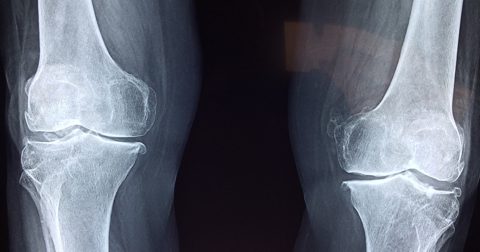
Low-dose radiation (4.5 Gy/10 fractions) for early knee osteoarthritis showed less MRI joint deterioration and a 67% lower adjusted disability hazard (31% vs 61% for grade 2) over a median 12-year follow-up.
GEHC, MGB team to apply generative AI for radiation therapy
ASTRO: 10-year outcomes support hypofractionated radiotherapy in breast cancer
Eden selects Kiewit as partner for NM isotope facility
ASTRO: fractionated radiosurgery lessens brain metastases recurrence
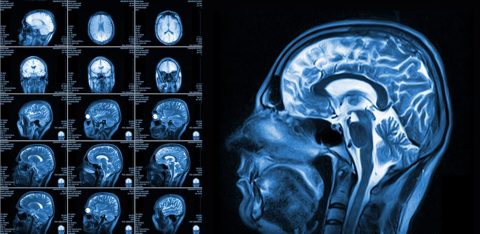
Brain MRI surveillance alone improved cognitive failure-free survival by 40% vs. MRI plus prophylactic cranial irradiation in small cell lung cancer (SCLC), with no overall survival difference, supporting it as standard care.
ASTRO: Navigator program improves access for African American breast cancer patients
Radiologist blogger Ben White pushes back on NVIDIA CEO Jensen Huang’s assertion that AI has “permeated all of radiology” and can detect any disease at superhuman level, calling the narrative a “fantasy.” The past decade hasn’t shown a Jevons-paradox flywheel, and Huang’s exampl…
Hyperfine names Roots Pharmaceutical as distributor in Kuwait and UAE
GuideAI renews exclusive vascular AI data deal with vRad
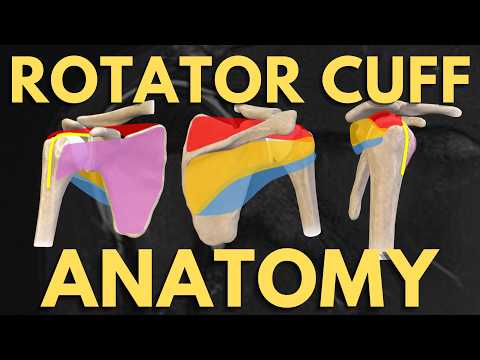
Rotator Cuff Anatomy Explained (Shoulder MRI) | Radiology Anatomy
<![CDATA[The Grouser in the Radiology Reading Room]]>
The European Society of Radiology’s EU Screening Week campaign (Sept 28–Oct 4) promotes cardiovascular and cancer screening via imaging, with the message ‘Radiology saves lives. Get screened.’
Diagnostic Imaging Centers of Excellence (Revised 9-28-26)
EHR data may miss women eligible for lung cancer screening
The White House reinstated a $100,000 H-1B visa fee and DHS separately proposed a $103,265 fine; AMA and AHA warn this could make hiring international medical graduates—about 25% of US diagnostic radiologists—financially impossible.
Over 40 healthcare organizations, including the American College of Radiology, are urging Congress to pass the Resident Education Deferred Interest (REDI) Act, which would allow interest-free deferment of student loans during residency.
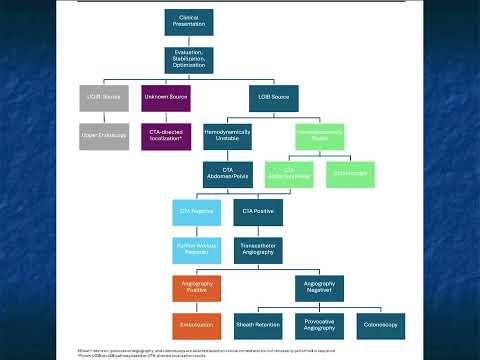
CTisus educational video on the management of patients with lower gastrointestinal bleeding; intended for radiologists and clinicians.
In a 2.4k-patient LDCT screening program, emphysema was found in 77% and coronary artery calcium in 65%; 87% of emphysema patients had no prior diagnosis. Post-scan, pulmonary care referrals rose from 24% to 46% and cardiovascular from 43% to 63%.
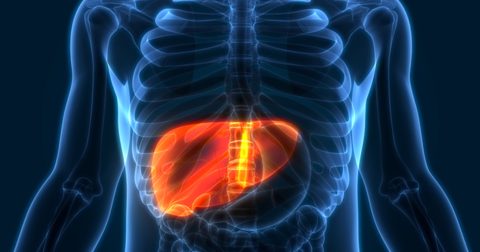
FDA 510(k) clearance granted to TriSalus’ TriNav Advance, a pressure-enabled drug delivery device for liver embolization, offering telescoping and high-flow configurations to reach distal vessels and limit surrounding tissue exposure.
UGDC-Net outperformed state-of-the-art semi-supervised methods for binary segmentation on left atrium, Pancreas-CT, and ISIC datasets. It uses uncertainty-guided decoupling, dynamic competition, and complementary pseudo-labels.
Letter to the Editor: Validation considerations for TED-Net severity classification in thyroid eye disease.
Reply to the Letter to the Editor: Predictive factors of axillary pathological complete response in HER2-positive breast cancer patients treated with neoadjuvant chemotherapy.